


About Us
Rodtanaka
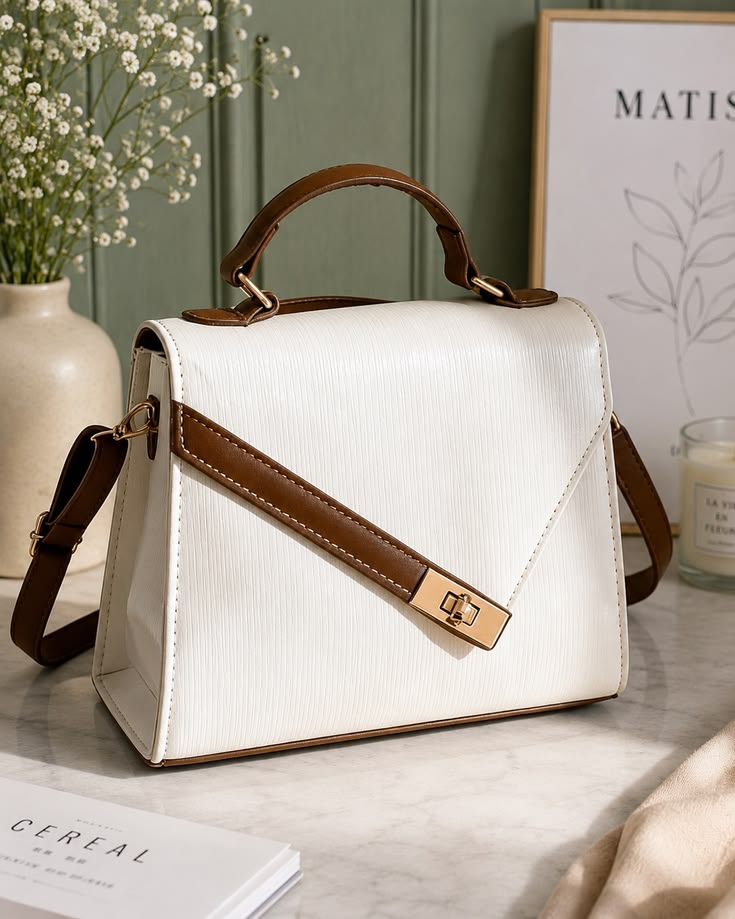
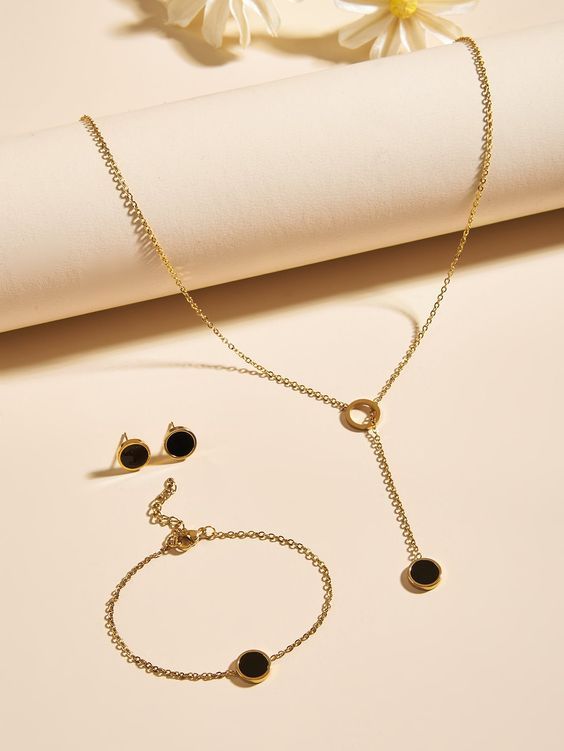
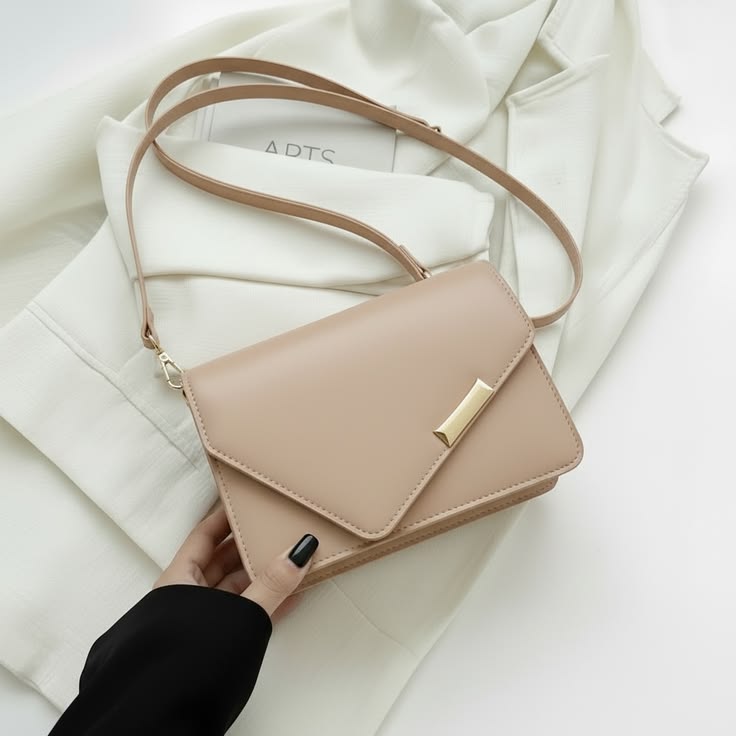
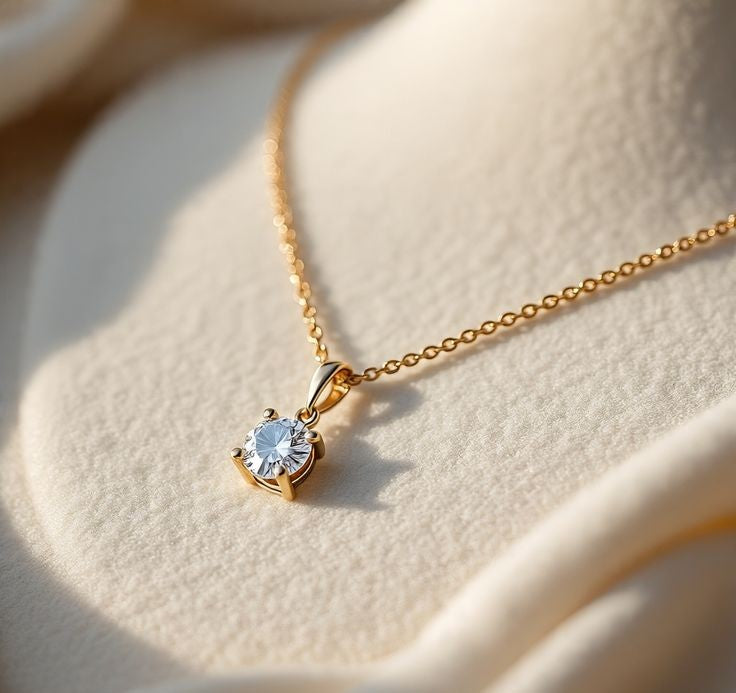
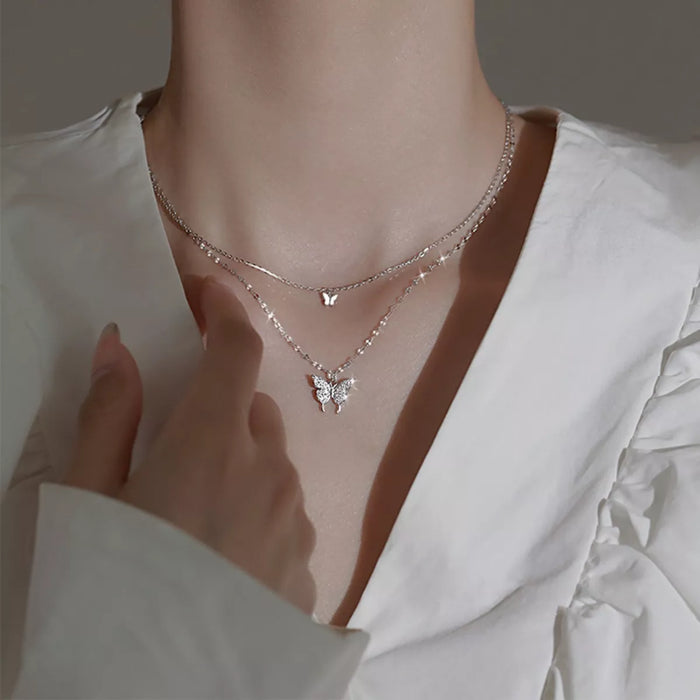
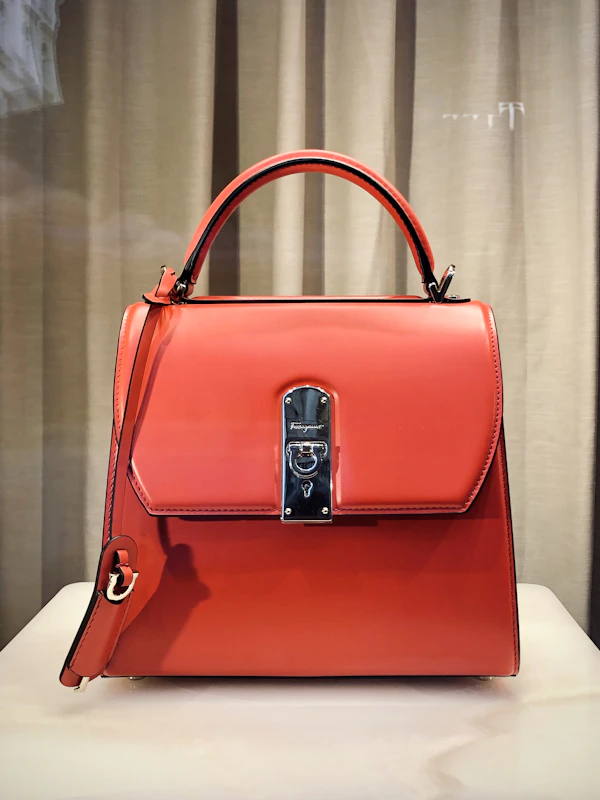
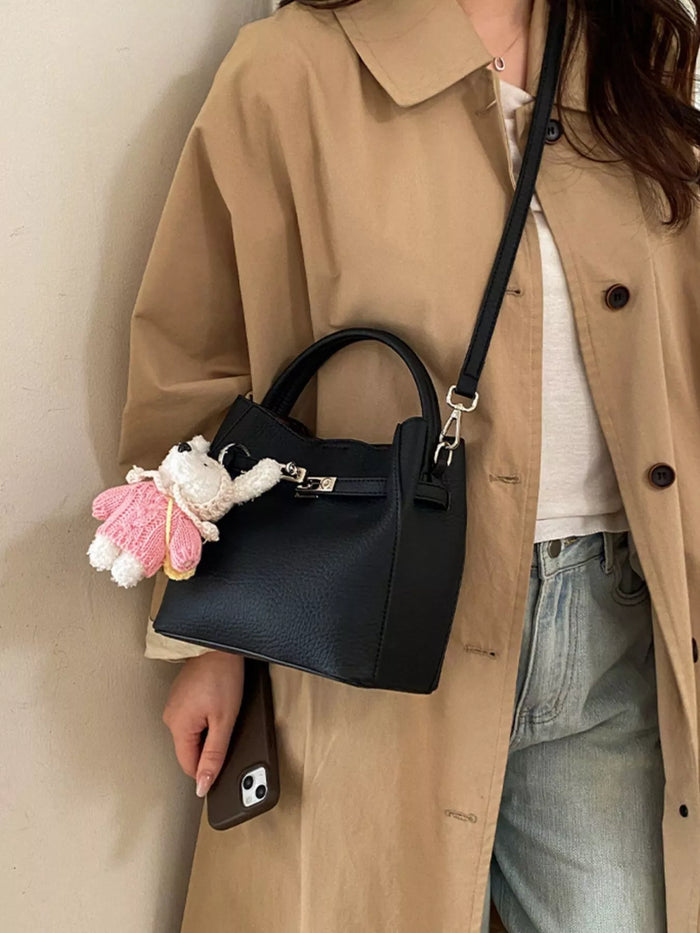
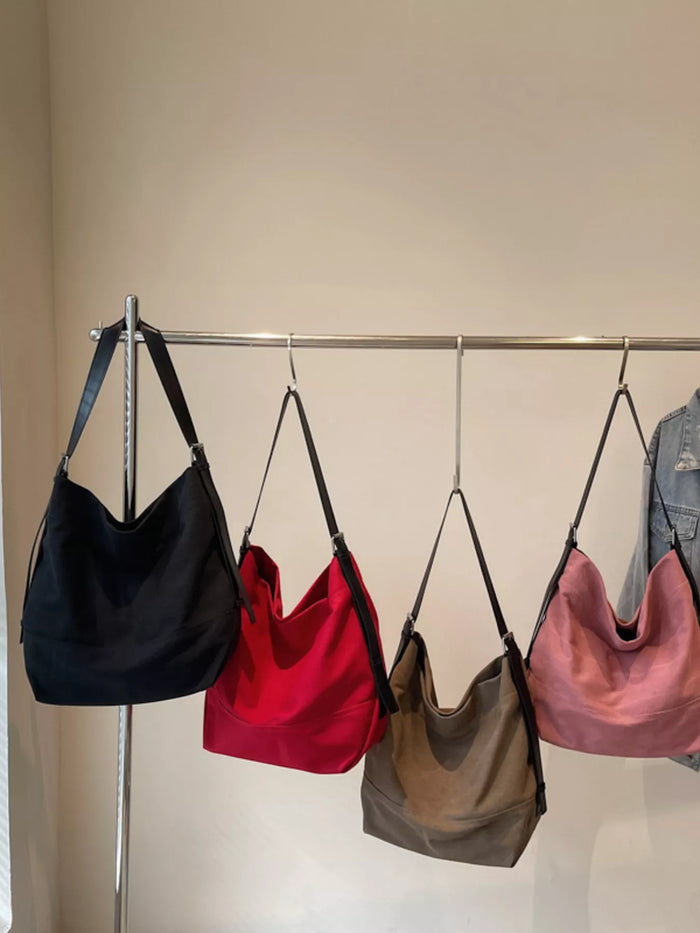
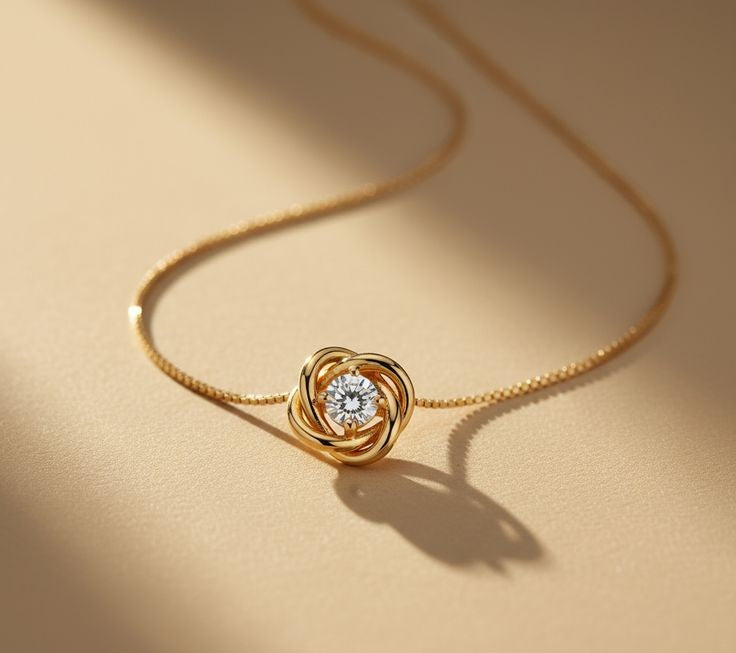
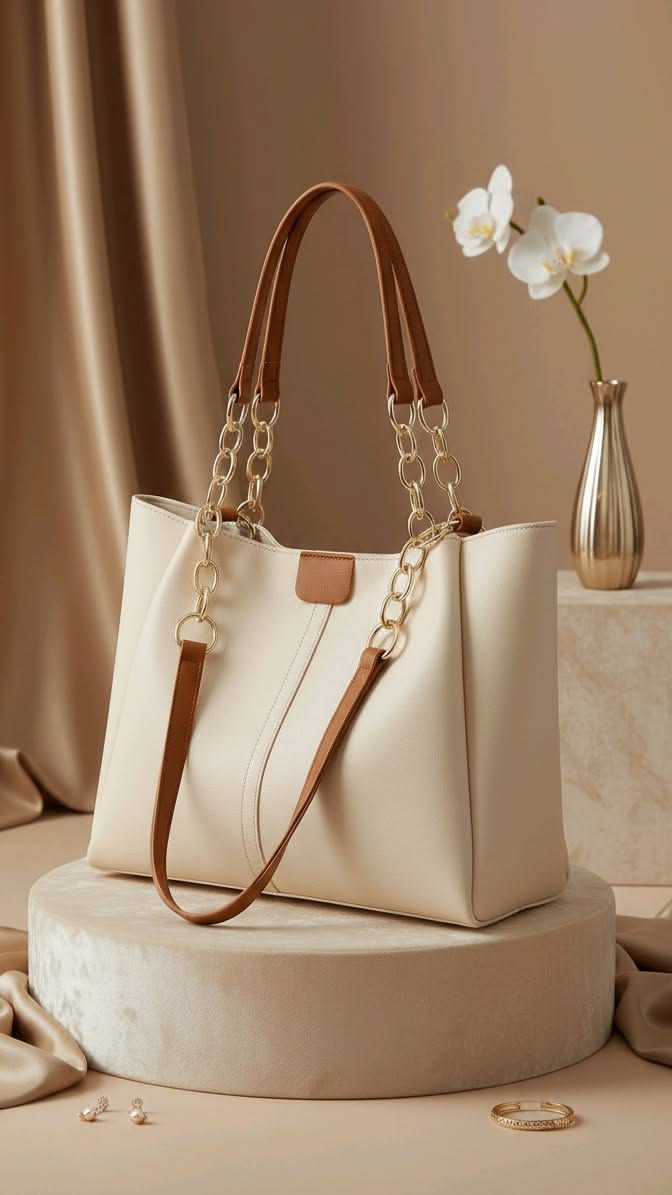
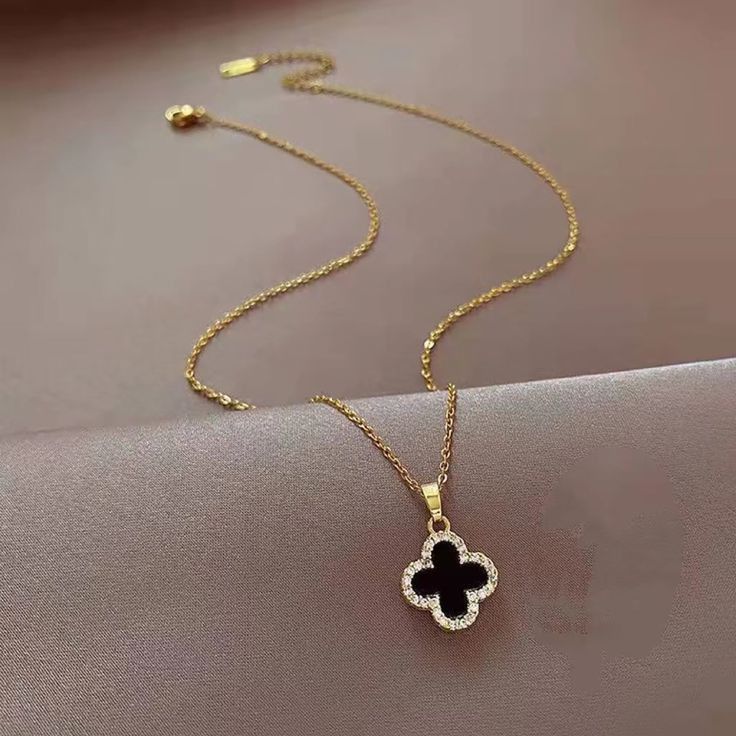
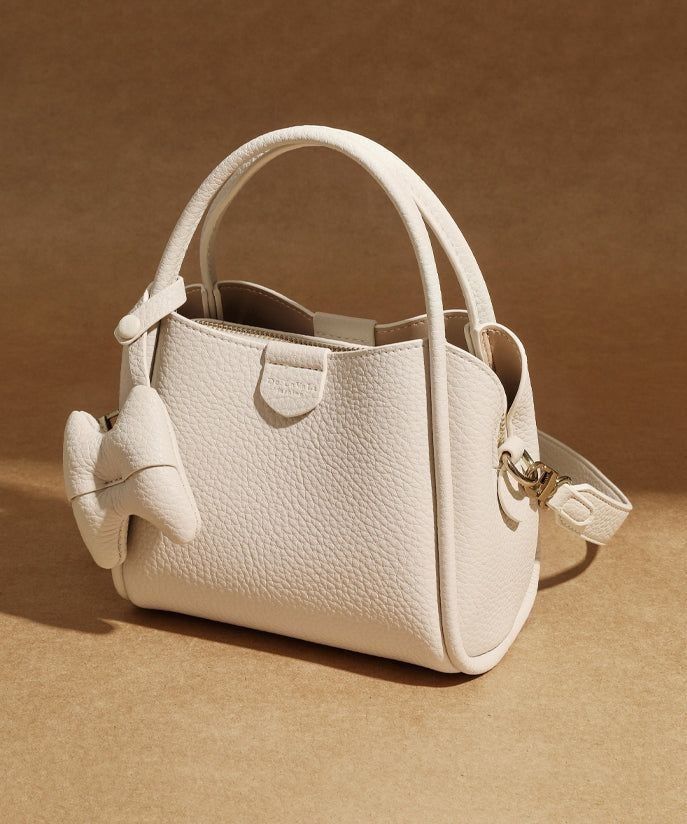
At Rodtanaka, we put every woman first. We craft elegant handbags and refined necklaces with exclusive designs that celebrate confidence and timeless beauty. Each piece is carefully selected to deliver exceptional quality and a truly memorable experience. Thank you for choosing Rodtanaka.


Featured Products
Services & Commitments
Shipping Info
Shipping details are calculated at checkout.
30-Day Returns
Returns accepted within 30 days per
our Return Policy.
Secure Payment
Safe checkout with trusted payment methods.
Customer Support
Support is available via email.
Our Products

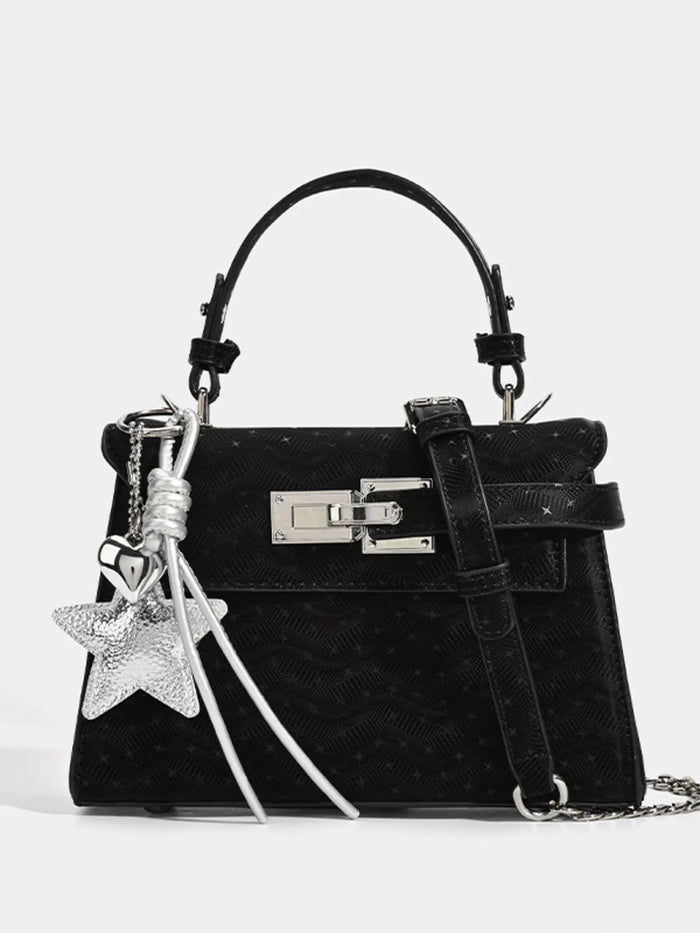
Buckle Leather Handbag
$57.60

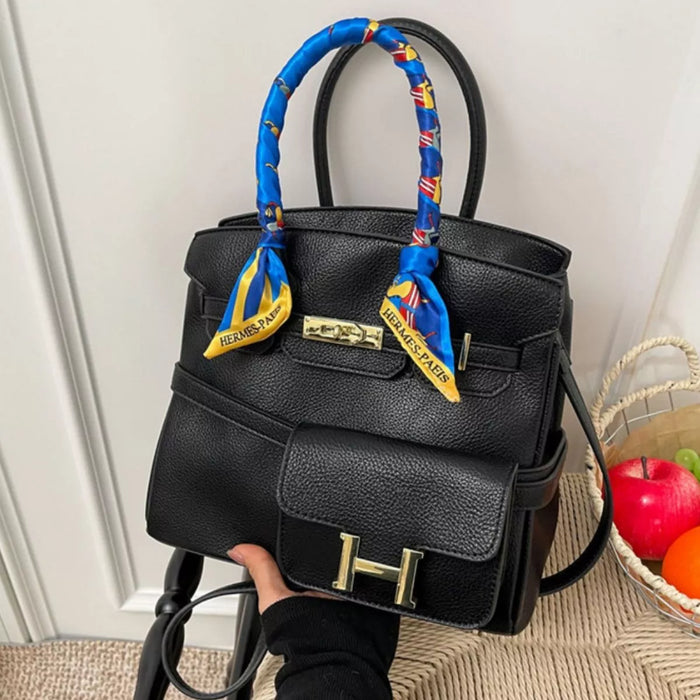
PU Leather Handbag
$53.40

Casual Lightweight Handbag
$35.10

Crochet Hobo Handbag
$32.46

Woven Straw Handbag
$36.66

PU Leather Handbag
$40.86

Two-Tone Leather Handbag
$104.60

PU Leather Handbag
$47.14

Dog Convertible Handbag
$38.74

Knitted Striped Handbag
$24.06

Gourd Pendant Necklace
$105.32

Titanium Steel Pendant Necklace
$12.00

Moissanite Pendant Necklace
$102.00

Pearl Pendant Necklace
$8.28

Pearl Pendant Necklace
$13.70

Butterfly Pearl Pendant Necklace
$109.68

Moissanite Zircon Pendant Necklace
$152.00

Zircon Gourd Pendant Necklace
$95.92

Jade Pendant Necklace
$80.88

Pearl Pendant Necklace
$132.60
News Blogs

Anatomy of High Jewelry Necklaces: Ergonomic Draping, Clasp Mechanics, Precious Alloy Physics, and Statement Assembly
Anatomy of High Jewelry Necklaces: Ergonomic Draping, Clasp Mechanics, Precious Alloy Physics, and Statement Assembly In the realm of high jewelry and advanced adornment, a statement necklace is an engineering marvel designed to rest gracefully upon the moving landscape of the human collarbone. Beyond simple ornamentation, high-grade neckwear integrates precise mechanical articulation, balanced mass distribution, tension dynamics, and chromatic light interplay. Achieving perfection with necklaces involves understanding how metal alloys withstand physical fatigue, how gemstone settings maximize optical refraction, and how ergonomic contours allow rigid metals to drape like fluid silk. This technical breakdown explores the internal architecture, material science, custom fitting standards, and preservation protocols required to master high-end neckwear. Table of Contents 1. Ergonomic Contouring and Articulation: Engineering Metal to Contour Biological Curves 2. Precious Alloy Physics: Tensile Endurance, Surface Hardness, and Metal Fatigue 3. Gemstone Architecture and Light Capture: Prong Engineering and Bezel Interlocking 4. Locking Mechanisms and Safety Systems: Stress Tolerance and Hidden Closures 5. Structural Proportioning: Balancing Upper Torso Geometry and Jawline Angles 6. High Jewelry Assembly: Integrating Convertible Pieces and Modular Neckbands 7. Conservation Protocols: Structural Inspections, Ultrasonic Risks, and Chemical Care 8. High Jewelry Wear Errors and Technical Adjustments 9. Final Word: Cultivating a High-End Masterpiece Portfolio 1. Ergonomic Contouring and Articulation: Engineering Metal to Contour Biological Curves The primary challenge in high jewelry neckwear design is making rigid precious metals drape comfortably over the irregular contours of the neck and clavicle. Unlike a simple chain that relies entirely on gravity, structured collars and riviére necklaces require internal mechanical hinges and graduated link sizing to lie flat without flipping, twisting, or pinching skin during movement. A. Graduated Link Geometry (Tapered Weight Distribution): To prevent a heavy statement necklace from shifting backward or bunching at the sides of the neck, master jewelers use graduated link scaling. Links are engineered larger and heavier at the central focal point, tapering down systematically toward the rear clasp. This center-weighted geometry locks the piece in position along the sternum. B. Multi-Axis Hinge Articulation (Fluid Flexibility): High-end collar necklaces feature hidden micro-hinges connecting each individual gemstone bezel or metal plate. These hinges allow two-dimensional movement—flexing inward around the neck's circumference while simultaneously tilting outward to lay flat across the sloping upper chest muscles. C. The Concave Curve Principle (Anti-Flipping Mechanics): A flat metal band placed on a sloped chest will inevitably buckle or flip upward when the wearer moves their shoulders. To eliminate this friction, structured chokers are crafted with an anatomical concave interior curve. The top circumference is slightly tighter than the bottom edge, forcing the piece to hug the neck base securely. D. Counter-Weighted Back Drops (Balance Alignment): For ultra-heavy front statement pieces or plunging lariat styles, balance is maintained using a decorative counter-weight attached near the rear closure. Extending a short weighted chain or pearl drop down the spine counteracts the forward pull of the front arrangement, holding the necklace in place. 2. Precious Alloy Physics: Tensile Endurance, Surface Hardness, and Metal Fatigue Selecting the proper precious metal alloy determines a necklace's resistance to deformation, scratch susceptibility, and structural longevity. High jewelry balances metal purity with structural durability to ensure fine prongs and delicate joints hold valuable gemstones securely under daily strain. 1. Platinum 950 (Maximum Structural Security): Alloyed with 5% iridium or ruthenium, Platinum 950 boasts dense molecular structure and extreme malleability. Unlike gold, which loses tiny particles of metal when scratched, platinum simply displaces sideways. Its incredible grip strength makes it the premier choice for setting high-carat center stones and crafting ultra-thin wire mesh chains. 2. 18-Karat Gold Systems (Optimal Balance of Purity and Strength): Composed of 75% pure gold combined with copper, silver, or palladium, 18k gold offers the ideal balance of deep color and structural strength. 14k gold is harder due to higher base metal content, but 18k remains the international standard for fine jewelry because it resists oxidation while providing adequate rigidity for intricate link weaves. 3. 925 Sterling Silver with Hardened Electroplating: Fine silver (99.9%) is too soft for heavy, stone-set neckwear. Sterling silver (92.5% silver, 7.5% copper) delivers structural strength, but requires protective rhodium or heavy gold vermeil plating (at least 2.5 microns) to prevent surface oxidation and sulfur tarnish. 4. Titanium and Aluminum Micro-Structures (Lightweight Innovation): In modern high jewelry, titanium and anodized aluminum are used to create massive statement necklaces without excessive weight. Titanium offers exceptional strength-to-weight performance, allowing artisans to create sweeping, dramatic collar shapes that weigh less than half of their gold equivalents. Precious Alloy Composition Ratio Vickers Hardness (HV) Tensile Yield Strength Primary Structural Application Platinum 950 (Iridium) 95% Pt, 5% Ir 120 - 140 HV Very High (Deforms without snapping) Fine Stone Prongs, Riviére Settings 18k Yellow Gold 75% Au, 12.5% Ag, 12.5% Cu 150 - 160 HV Moderate - High Classic Link Weaves, Solid Collars 18k White Gold (Palladium) 75% Au, 15% Pd, 10% Other 180 - 210 HV High (Rigid Surface) High-Tension Clasps, Gemstone Bezels Grade 5 Titanium 90% Ti, 6% Al, 4% V 330 - 360 HV Extreme (Ultra-Lightweight) Massive Sculptural Statement Collars 925 Sterling Silver 92.5% Ag, 7.5% Cu 75 - 90 HV Low - Moderate (Prone to Bending) Medium Chains, Fashion Pendants 3. Gemstone Architecture and Light Capture: Prong Engineering and Bezel Interlocking In high jewelry neckwear, how gemstones are mounted directly impacts both light refraction and daily durability. Master stone setters balance maximum light entry with secure physical support, ensuring diamonds and colored gems shine brightly without snagging delicate clothing. Prong Settings vs. Flush Bezel Encasements Prong settings (claw, claw-tipped, or round) elevate gemstones above the necklace frame, allowing light to enter from all angles and maximizing brilliance. However, exposed prongs require precise alignment to avoid catching on silk or wool fabrics. Full bezel settings surround the stone's perimeter with a thin ring of protective metal. While bezels reduce lateral light entry slightly, they protect delicate gemstone edges (girdles) from chipping during movement. Invisible Settings and Pavé Micro-Prong Fields Invisible settings cut micro-grooves into the undersides of square-cut stones (like princess or baguette diamonds), sliding them onto hidden gold wire tracks. This creates a seamless carpet of gems with zero visible metal support. Pavé settings place dozens of tiny gemstones close together, securing them with tiny metal beads raised directly from the mounting surface to deliver continuous surface shine. Undercarriage construction (the gallery behind the stone) must include polished open spaces. Closed metal backing traps body oils, lotion, and dust behind gemstones, dulling their brilliance over time. Open gallery seats let light pass through while making routine cleaning simple and effective. 4. Locking Mechanisms and Safety Systems: Stress Tolerance and Hidden Closures The clasp is the primary mechanical security point of any fine necklace. A failing clasp risks losing valuable jewelry or dropping fragile stones onto hard surfaces. High jewelry uses specialized locking mechanisms engineered for high pull resistance and integrated directly into the necklace design. A. Plunger Box Clasps with Dual Figure-Eight Safety Catches: The standard closure for heavy gem-set riviéres and solid collars, a box clasp uses a spring-tempered metal tongue that snaps into a hollow frame. Dual wire safety catches on either side add two redundant locking points, ensuring the necklace stays attached even if the main mechanism disengages. B. Integrated Seamless Baffle Locks: Custom statement necklaces conceal their closure mechanisms inside an existing decorative link. A spring-loaded side release button allows a section of the design to slide open seamlessly, preserving the continuous flow of gemstones around the neck without an obvious disruption at the nape. C. Heavy Duty Screw-Barrel Locks (High-Tension Chains): Used for dense rope chains and heavy gold pieces, threaded metal barrels screw together tight. This system provides high resistance to pulling forces, making accidental opening nearly impossible. D. Magnetic Safety Insert Locks: Modern neckwear often combines strong neodymium magnets with internal mechanical twists. The magnets pull the closure components into alignment, while an internal mechanical keyway locks them together until manually released, offering effortless fastening for dexterity-limited wearers. 5. Structural Proportioning: Balancing Upper Torso Geometry and Jawline Angles Selecting high-impact statement neckwear involves aligning the piece's geometry with facial structure, shoulder width, and neck height. The right necklace creates visual symmetry, framing the face and balancing natural body proportions. 1. Oval Facial Frames and Wide Collarbones: An oval face offers natural balance and pairs comfortably with almost all necklace shapes. Soften broad shoulders or wide collarbones with plunging V-necklines, drop pendants, or long lariats that create narrow vertical focus across the torso. 2. Angular, Square, or Heart-Shaped Jawlines: Sharp, angular jawlines benefit from rounded, sweeping necklace shapes. Circular chokers, multi-strand pearl collars, and soft curved riviéres break up sharp angles, adding gentle curves beneath the chin. 3. Round Facial Geometries and Short Necks: Soft, round face shapes paired with compact neck lines look best with elongating shapes. Avoid wide, horizontal chokers that shorten the neck area. Instead, select long V-shaped chains, Y-drop pendants, or matinee-length necklaces (20 to 24 inches) that extend the visual neck line toward the sternum. 4. Elongated Facial Profiles and Slender Neck Lines: Long face shapes and slender necks can carry bold horizontal visual weight. High collar bands, thick multi-row chokers, and wide, flat bib necklaces fill open vertical space, creating a balanced frame beneath the jawline. 6. High Jewelry Assembly: Integrating Convertible Pieces and Modular Neckbands Modern luxury jewelry design emphasizes modular versatility, creating statement pieces that transform to suit different occasions and dress codes. The Modular 3-In-1 Masterpiece Mechanism High jewelry collar pieces often feature concealed threaded pins or twist-lock connectors. These mechanisms allow the main center pendant to detach and transition into an independent brooch or ring center piece. Meanwhile, the remaining diamond strand can be split along hidden hinges into two separate bracelets, giving a single investment piece extraordinary versatility across various settings. To assemble a convertible necklace safely, always work over a soft velvet pad on a stable, flat surface to catch tiny mounting pins or screws. Ensure hidden locking mechanisms slide into place completely with an audible click before lifting the weight of the piece, verifying that all stress points are secure. 7. Conservation Protocols: Structural Inspections, Ultrasonic Risks, and Chemical Care High-carat precious metal neckwear requires specialized cleaning and routine inspection to preserve physical stability and optical brilliance over generations. 1. Prong Tension Audits and Hinge Lubrication: Have a master jeweler inspect stone settings under a microscope every six to twelve months. Over time, prongs wear down, thin out, or shift under physical pressure. A professional jeweler can re-tip worn prongs with new platinum or gold wire before stones loosen, while applying synthetic high-grade lubricant to keep internal hinges moving smoothly. 2. Ultrasonic Cleaning Safety Thresholds: Ultrasonic tanks use high-frequency sound waves to dislodge dirt behind diamond settings. However, ultrasonic cleaning can shatter or cloud fractured gems—such as emeralds, opals, tanzanites, and oil-treated rubies. Use ultrasonic cleaning only for hard, untreated stones like diamonds, sapphires, and rubies. 3. Steam Cleaning and Thermal Shock Control: Pressurized steam removes oil buildup behind precious metal galleries quickly. Avoid exposing thermal-sensitive stones (such as kunzite, opals, and pearls) to rapid temperature changes, which can cause internal fractures or surface crazing. Allow jewelry to warm up gradually before steam exposure. 4. Vault Archiving and Anti-Tarnish Environmental Control: Store high jewelry pieces flat inside custom, suede-lined hard cases. Keep delicate items away from abrasive stones, and maintain a humidity-controlled environment (45% to 55% relative humidity) to prevent silver tarnish or organic gem dehydration. 8. High Jewelry Wear Errors and Technical Adjustments Avoiding critical errors in wear and care preserves the structural health and lasting beauty of high-end neckwear: 1. Wearing High-Carat Soft Gold Collars Under Heavy Coat Lapels: Wearing an intricate 22k or 24k gold necklace under stiff wool, leather, or fur coats subjects delicate links to heavy crushing forces. The weight of heavy lapels can flatten delicate hollow links and warp hand-engraved surface details. Always fasten fine statement necklaces over lightweight fabrics or open skin spaces. 2. Storing Articulated Collars Bent at Sharp Angles: Storing hinged collar necklaces tightly coiled inside small boxes forces micro-hinges past their engineered stop angles. Over time, this constant pressure stretches internal connecting pins, causing the necklace to sag unevenly when worn. Store articulated collars laid flat inside wide, curved drawer channels. 3. Applying Cosmetic Sprays After Putting On Fine Jewelry: Hairsprays, perfumes, and setting mists contain alcohol and solvents that pit pearl nacre, strip rhodium plating, and leave stubborn residue behind stone mountings. Always finish applying makeup, perfume, and hair products completely before putting on fine neckwear. 4. Ignoring Clasp Fatigue on Heavy Statement Pieces: Over years of frequent use, internal steel spring catches inside gold box clasps lose their elasticity and tension. If a box clasp slides open easily without an audible click, stop wearing the piece immediately and have a professional bench jeweler re-tension or replace the internal spring tongue. 9. Final Word: Cultivating a High-End Masterpiece Portfolio Curating a collection of fine neckwear is a journey into structural design, metallurgical excellence, and timeless personal style. By viewing high-end necklaces as architectural pieces that interact dynamically with body geometry, light, and movement, you transform fine jewelry into a lasting expression of personal taste. A well-planned portfolio prioritizes structural quality and craftsmanship over sheer volume: a versatile diamond riviére, an anatomically contoured gold collar, a convertible multi-gemstone pendant, and an understated platinum chain. Selected with attention to metal hardness, hinge articulation, and clasp security, a high jewelry necklace offers reliable performance, effortless presence, and lasting value for generations to come. Mastering ergonomic draping, precious alloy physics, clasp mechanics, and high jewelry conservation.
Read moreThe Geometry of Fine Neckwear: Neckline Metrics, Chain Link Mechanics, Gemstone Optics, and Layering Cascades
The Geometry of Fine Neckwear: Neckline Metrics, Chain Link Mechanics, Gemstone Optics, and Layering Cascades Positioned directly at the visual epicenter of human communication, a necklace serves as the ultimate focal frame for the face, collarbones, and upper torso silhouette. Unlike secondary accessories, fine neckwear interacts continuously with skin tones, garment collar geometries, fabric textures, and biological movement. Designing and styling high-impact necklace combinations requires a precise mastery of linear length tiers, chain weave physics, gemstone light refractions, clasp tension mechanics, and neck-to-shoulder proportions. This exhaustive technical blueprint dissects the structural principles behind classic chain profiles, collarline pairing formulas, metallic conductivity, multi-tier layering physics, and long-term jewelry preservation methodologies. Table of Contents 1. Standard Metric Classification: Anatomical Lengths and Focal Point Mapping 2. Collarline Intersection Engineering: Matching Chain Profiles to Garment Cutouts 3. Chain Link Mechanics and Metallurgy: Weave Integrity, Flexibility, and Tensile Strength 4. Multi-Tier Layering Mechanics: Weight Staggering, Spacing Ratios, and Anti-Tangle Dynamics 5. Gemstone Optics and Metal Undertones: Reflective Harmonies and Skin Chemistry 6. Operational Contexts: Navigating Dress Codes from Executive Boardrooms to Evening Galas 7. Metallurgical Care, Restringing Standards, and Vault Storage Protocols 8. Critical Neckwear Errors and Structural Corrections 9. Final Word: Structuring a Modular Fine Neckwear Portfolio 1. Standard Metric Classification: Anatomical Lengths and Focal Point Mapping The visual influence of fine neckwear is dictated primarily by where its central drop point meets the human torso. Standard necklace lengths are calibrated against key anatomical landmarks—the throat notch, clavicle bones, sternum, and ribcage. Understanding these physical dimensions allows you to direct visual attention precisely while balancing vertical torso proportions. A. Collar and Choker Lengths (12 to 16 Inches / 30 to 40 cm): Fitting snugly around the base or midpoint of the neck, collar and choker styles rest high above the collarbone. These pieces create a sharp horizontal line that highlights the throat and jawline. They are ideal for framing slender, elongated necks or breaking up long, open chest space on high-waisted figures. B. Princess Length (17 to 19 Inches / 43 to 48 cm): The most classic and versatile dimension in fine jewelry, the princess length lands squarely on or just below the collarbones. It establishes a soft focal V-shape that draws eyes toward the sternum without encroaching on low garment necklines, making it a universal anchor for everyday single-pendant arrangements. C. Matinee Length (20 to 24 Inches / 50 to 60 cm): Landing directly between the collarbone and the center of the bust line, the matinee length introduces elongating vertical lines. This length works exceptionally well for corporate tailoring and high-neck tops, extending the visual torso without adding horizontal bulk across the chest. D. Opera and Rope Lengths (28 to 45+ Inches / 70 to 115+ cm): Extending well below the bust line or reaching down to the navel, these extended lengths create dramatic vertical lines. Rope necklaces can be wrapped into double or triple loops, offering high modularity for dramatic evening wear or layered textural arrangements. 2. Collarline Intersection Engineering: Matching Chain Profiles to Garment Cutouts A primary error in neckwear styling is allowing a necklace chain to overlap awkwardly with a garment’s hem or collar edge. The shape formed by the necklace must either mirror the geometry of the neckline or sit entirely within open skin space to ensure a clean, deliberate look. 1. Strapless and Off-the-Shoulder Cuts: These open necklines expose the full expanse of the shoulders and collarbones. They pair best with close-fitting chokers, chunky collar chains, or bold statement pieces that sit cleanly on exposed skin, filling upper negative space without distracting from the garment line. 2. V-Necklines and Plunging Cutouts: V-shaped necklines require pieces that match their sharp, angular drop. Choose Y-necklaces, drop pendants, or layered chains that taper into a point, ensuring the lowest element ends at least 2 inches (5 cm) above the garment fabric intersection. 3. Crew Necks and High Crew T-Shirts: Because crew necklines sit close to the base of the throat, short dainty chains easily get lost beneath the fabric border. Opt for medium-to-heavy weight chains—such as thick Cuban link or snake chains—or 20-inch pendant arrangements that sit completely over the solid fabric. 4. Turtlenecks and High Mock Necks: High fabric coverage creates a continuous solid canvas. Complement this look with bold, long-line pieces like 28-inch opera length chains, heavy pendant drops, or chunky collar necklaces worn directly over the knit fabric to break up the extended torso area. Neckline Style Optimal Metric Range Recommended Chain Silhouette Visual Geometry Goal Deep V-Neck 18 to 22 Inches Tapered Y-Drop / Angular Pendant Mirrors garment drop without overlap Strapless / Sweetheart 14 to 16 Inches Structured Choker / Rigid Collar Fills upper chest negative space Button-Down Shirt (Open Collar) 16 to 18 Inches Classic Princess Pendant / Cable Chain Frames cleanly inside unbuttoned gap Turtleneck / Mock Neck 24 to 32 Inches Long Opera Chain / Statement Medallion Breaks up continuous torso fabric Square / Scoop Neck 15 to 17 Inches Horizontal Bar / Angular Geometric Chain Complements open angular frame 3. Chain Link Mechanics and Metallurgy: Weave Integrity, Flexibility, and Tensile Strength The construction technique used to weave gold, platinum, or silver wire into a continuous chain determines its drape, flexibility, surface shine, and resistance to kinking. Selecting the right chain weave guarantees that your neckwear holds its shape and supports pendants reliably without structural failure. High-Durability Interlocking Weaves (Cable, Figaro, and Wheat) Interlocking link designs feature individual, solder-closed metal loops linked at alternating 90-degree angles. Cable chains offer classic symmetry and exceptional tensile strength, making them ideal for holding heavy stone pendants. Wheat (Spiga) and Figaro chains utilize twisted or interlocking oval loops that distribute load stress evenly, providing high durability for active daily wear. Solid-Surface and Fluid Weaves (Snake, Herringbone, and Omega) Fluid weaves consist of tightly packed metal plates or rings joined side-by-side to create a smooth, continuous surface. Herringbone and Omega chains lie completely flat against skin, offering a brilliant reflective shine. However, these designs have limited lateral flexibility; bending them beyond their natural curve causes permanent structural kinking that cannot be repaired without replacing links. Clasp selection is equally critical to security. Lightweight spring-ring clasps suit delicate fine chains under 3 grams, but lack internal durability for heavier pieces. High-value chains require solid lobster claw clasps, heavy box locks with safety arms, or screw-barrel closures to prevent accidental opening under pull stress. 4. Multi-Tier Layering Mechanics: Weight Staggering, Spacing Ratios, and Anti-Tangle Dynamics Combining multiple necklaces into a cohesive stack requires more than mixing different lengths. Proper neckwear layering relies on balancing physical chain weights, varying link textures, and controlling vertical spacing so individual chains drape cleanly without twisting into an tangled bundle. A. The 2-Inch Differential Rule (Vertical Spacing): To prevent individual chains from overlapping and tangling while walking, ensure a minimum vertical spacing of 2 inches (5 cm) between each tier. A balanced three-piece stack typically pairs a 16-inch base choker with an 18-inch pendant chain and a 20-inch weighted medallion. B. Texture Contrast and Density Balance: Avoid layering chains of identical link width and style, which tend to catch on one another. Instead, combine distinct textures to create visual depth: pair a smooth 2mm snake chain with an open 4mm paperclip chain and a fine cable chain holding a weighted stone. The structural contrast keeps links from interlocking. C. Weight Distribution Anchor Strategy: Every multi-tier stack requires a heavy lower anchor piece. Placing a heavier pendant or thick chain at the lowest tier applies continuous downward tension on the stack. This anchors the assembly against the chest, minimizing sideways movement and friction between lighter upper chains. D. Specialized Multi-Clasp Separator Hardware: When layering three or more fine chains, connect their end rings to a dedicated multi-strand necklace spacer clasp. These spring-bar devices hold each chain strand at fixed horizontal intervals behind the neck, eliminating tangles caused by natural neck movement. 5. Gemstone Optics and Metal Undertones: Reflective Harmonies and Skin Chemistry Because necklaces rest directly against skin or near the face, matching precious metals and gemstones to personal skin undertones elevates natural facial warmth and clarity. Strategic metal selection ensures your jewelry works in harmony with your complex skin chemistry. 1. Warm Skin Undertones (Golden, Peach, Olive): Skin with warm golden or yellow undertones pairs naturally with rich, high-carat yellow gold (18k to 24k), rose gold, and warm brass. Complementary gemstones include warm-hued options like champagne diamonds, spessartine garnets, citrines, yellow sapphires, and warm cultured South Sea pearls. 2. Cool Skin Undertones (Rosy, Pink, Cool Blue): Cool undertones shine alongside high-luster white precious metals, including 950 platinum, rhodium-plated 18k white gold, and 925 sterling silver. Opt for high-clarity gemstones in cool palettes, such as blue sapphires, deep emeralds, dark amethysts, Tahiti black pearls, and colorless diamonds. 3. Neutral Undertones and Mixed-Metal Styling: Neutral skin tones can wear both warm and cool metals comfortably. Mix white gold and yellow gold intentionally within a single neckwear arrangement—for example, pairing a white gold diamond solitaire pendant with a yellow gold cable chain—to create modern contrast while matching diverse wardrobe accents. 6. Operational Contexts: Navigating Dress Codes from Executive Boardrooms to Evening Galas Adapting neckwear choices to your environment ensures your jewelry supports your professional presence and fits the overall mood of the event. A. Formal Corporate Environments: Professional dress codes favor restraint, clean execution, and high metal quality. Avoid noisy, dangling charms or excessively long chains that bump against desks during meetings. Select refined single-strand cultured pearl strands, delicate gold solitaire pendants, or clean 16-inch collar chains that fit neatly inside tailored blazer lapels. B. Creative Workplaces & Casual Professional: Modern creative settings welcome expressive, multi-textured combinations. Pair paperclip link chains with geometric stone pendants, vintage coin medallions, or mixed-metal stacks over tailored knitwear and unbuttoned shirts for a balanced, modern look. C. Off-Duty Weekend Leisure: Casual settings call for low-maintenance, comfortable, and durable pieces. Lightweight gold rope chains, small charm pendants, beaded turquoise strands, or durable cord necklaces offer easy, worry-free wear for relaxed daily outings. D. High-Formal Black-Tie & Evening Galas: Formal evening dress codes call for high brilliance, dramatic scales, and precious materials. Choose statement diamond riviére necklaces, multi-carat gemstone drops, or intricate collar pieces designed to catch ambient light and complement sweeping formal gowns. 7. Metallurgical Care, Restringing Standards, and Vault Storage Protocols Fine neckwear requires disciplined care to maintain its structural safety, brilliance, and stone setting integrity over years of wear. The Annual Pearl and Bead Restringing Standard Cultured pearls and heavy gemstone beads are traditionally strung on natural silk thread, which stretches and weakens over time when exposed to body oils and moisture. Inspect silk strands annually for fraying or gaps between beads. Have fine pearl strands professionally re-strung every 12 to 18 months, ensuring individual knots are tied between every bead to prevent total loss if the strand breaks. Proper cleaning restores optical clarity to dull gemstones and tarnished metals. Soak solid gold, platinum, and hard gemstones (like diamonds, sapphires, and rubies) in lukewarm water mixed with mild dish soap. Softly brush behind gemstone mountings using an ultra-soft toothbrush to remove accumulated skin oils, then dry completely with a lint-free microfiber cloth. Never submerge soft porous gems—like pearls, opals, turquoise, or emeralds—in ultrasonic cleaners or harsh chemical solutions. Storage architecture is vital to preventing tangles and scratches. Never toss fine chains together unfastened inside a open dish. Always secure clasps before storing necklaces individually. Hang fine chains vertically on lined jewelry trees, or lay them flat inside individual velvet pouches or partitioned drawer compartments. 8. Critical Neckwear Errors and Structural Corrections Eliminate these common mistakes in proportion and care to protect your fine jewelry investment and maintain a polished presentation: 1. Overloading Fine Delicate Chains with Heavy Pendants: Hanging a large, heavy pendant on an ultra-thin cable chain causes excessive friction on the bail, stretching individual links and leading to sudden chain failure. Ensure the weight of your pendant matches the width and gauge of the supporting chain. 2. Wearing Rigid Flat Chains to Bed or During Exercise: Wearing delicate flat link designs—such as Herringbone or Omega chains—while sleeping or exercising subjects them to twisting and bending forces. This can cause permanent kinks or snap thin links. Always remove rigid fluid chains before sleeping or physical activity. 3. Exposing Precious Metals to Chlorine and Hairspray Chemicals: Chlorine found in swimming pools and hot tubs attacks the alloy metals in 14k and 18k gold, causing stress corrosion that weakens prongs and clasp joints. Similarly, hairsprays, perfumes, and lotions leave dull films on diamonds and damage delicate pearls. Follow the classic rule: neckwear should be the absolute last thing you put on when dressing and the first thing you remove at night. 4. Misjudging Proportion on Petite or Broad Torso Frames: Wearing an oversized, heavy statement collar on a small frame can overpower delicate features, while wearing an ultra-thin 14-inch chain on a broad torso can feel restrictive. Choose chain widths and pendant sizes that scale naturally with your neck circumference and chest proportions. 9. Final Word: Structuring a Modular Fine Neckwear Portfolio Building a fine neckwear collection is an exercise in structural design, metallurgical understanding, and personal expression. By viewing necklaces as architectural frames that work alongside garment lines, skin tones, and torso dimensions, you turn these functional accents into transformative wardrobe tools. A well-curated collection focuses on versatile foundation pieces: a durable daily chain, a classic stone pendant, a flexible flat choker, and a dramatic long-line opera piece. Chosen with care for link integrity, metal quality, and balanced proportions, a premium necklace provides timeless style, effortless layering possibilities, and lasting beauty for years to come. Mastering anatomical length tiers, neckline intersections, chain metallurgy, and modular neckwear curation.
Read more

The Architectural Mechanics of Luxury Handbags: Proportions, Leather Craftsmanship, Hardware Engineering, and Functional Styling
The Architectural Mechanics of Luxury Handbags: Proportions, Leather Craftsmanship, Hardware Engineering, and Functional Styling In high-end leather goods, a luxury handbag represents far more than a functional container—it operates as the definitive structural anchor of modern personal style. While continuous garments establish continuous lines along the torso, a handbag introduces focal spatial geometry, tactile material contrast, and immediate visual hierarchy. Mastering handbag selection and integration requires a systematic understanding of scale proportions, grain durability, internal load architecture, hardware metallurgy, and color resonance. This deep analytical blueprint breaks down the engineering principles behind iconic silhouettes, material selection matrixes, hardware stress mechanics, lifestyle integration protocols, and proper leather preservation methodologies. Table of Contents 1. Spatial Geometry and Silhouette Engineering: Matching Bag Volume to Frame Scale 2. Material Science and Grain Architecture: Full-Grain, Exotic, and Synthetic Textiles 3. Hardware Metallurgy and Load Mechanics: Plating, Closure Systems, and Stress Points 4. Color Mechanics and Tonal Harmony: Coordinating Leather Goods Across Ensembles 5. Occasion Adaptability: Operational Profiles from Corporate Boardrooms to Evening Galas 6. Interior Architecture and Carrying Ergonomics: Pocket Geometry and Weight Distribution 7. Preventative Care, Restoration, and Structural Maintenance Protocols 8. Critical Handbag Styling Missteps and Professional Structural Corrections 9. Final Word: Building a Modular Luxury Handbag Portfolio 1. Spatial Geometry and Silhouette Engineering: Matching Bag Volume to Frame Scale The visual impact of a handbag depends heavily on its interaction with human body proportions. A handbag creates a distinct geometric shape against the body, acting as a focal point that draws visual attention to the exact height and area where it rests. Balancing silhouette volume, strap drop length, and structural firmness ensures that the bag enhances rather than overpowers the wearer's physical frame. A. The Structured Tote and Executive Carryall (Rigid Rectangularity): Characterized by sharp vertical lines and dense internal panel reinforcement, structured totes maintain their shape regardless of contents. These silhouettes establish a grounding, authoritative presence, making them ideal for tall, athletic, or broad-shouldered body frames. When positioned against the torso, a clean rectangular tote reinforces straight structural lines without introducing unwanted midsection bulk. B. The Slouchy Hobo and Crescent Bag (Organic Fluidity): Utilizing soft, unreinforced leathers or supple suede, hobo bags collapse into relaxed curves when carried. The curved base softens sharp outfits like tailored blazers or angular suits. Because hobo bags draw the eye inward toward the natural waist or hip socket, they add soft, organic volume, making them highly effective for petite, narrow, or inverted-triangle body types seeking balanced lower-body volume. C. The Structured Satchel and Top-Handle Bag (Trapezoidal Precision): Featuring a flat base, tapered side gussets, and rigid top handles, top-handle bags represent classical handbag proportions. The trapezoidal shape creates a wide visual base that stabilizes long silhouettes. Carried in the crook of the arm or by hand, the top-handle bag keeps the visual focal point near the mid-hip, balancing hourglass and pear-shaped figures by emphasizing waistline definition. D. The Crossbody and Camera Bag (Diagonal Interception): Crossbody bags introduce a sharp diagonal line across the upper body via their long shoulder straps. This diagonal axis visually breaks up vertical height, creating an elongating effect on compact torsos while narrowing broad chests. The bag itself should rest precisely on the hip bone; resting too low on the upper thigh shortens the leg line, while resting above the hip interrupts natural waist movement. E. The Compact Clutch and Structured Minaudière (Minimalist Focal Points): Free of straps or top handles, clutches force the eye toward the hands and lower waistline. Hard-shell minaudières introduce reflective metallic or acrylic surfaces into an outfit, functioning as wearable jewelry. Their compact scale serves as a deliberate contrast to flowing evening wear, preventing fabric volume from swamping the body's natural shape. 2. Material Science and Grain Architecture: Full-Grain, Exotic, and Synthetic Textiles The structural longevity, weight, and visual texture of a handbag are defined by its primary material. Tannery processes determine whether a leather holds a crisp, rigid shape over time or breaks down into a soft, supple patina. Selecting the proper hide specification guarantees that a bag survives daily mechanical wear while maintaining its structural integrity. 1. Full-Grain Calfskin (Top-Tier Structural Resilience): Full-grain leather preserves the outermost layer of the hide, keeping all original fiber density intact. It boasts exceptional tensile strength, breathability, and natural moisture resistance. Premium options like box calf feature a smooth, polished surface that develops a rich luster over time, while pebbled calfskin utilizes heat-embossing to conceal surface scratches, making it ideal for daily carryalls. 2. Epsom and Saffiano Leathers (Cross-Hatch Stamped Rigidity): Pressed with specialized machinery to print a distinct cross-grain diagonal texture, Saffiano and Epsom leathers are treated with a protective wax coating. This mechanical treatment makes the hide virtually scratch-proof, highly water-repellent, and exceptionally rigid. Bags crafted from stamped leathers retain their exact architectural shape over decades without sagging. 3. Exotic Hides (Alligator, Ostrich, and Python): Exotic leathers deliver high visual impact alongside complex structural traits. Alligator and crocodile feature dense keratinized scales that offer impressive rigidity, though they require careful hydration to avoid scale separation. Ostrich leather is recognized by its distinct quill follicles and high natural oils, which grant exceptional softness and tear resistance. Python leather provides a lightweight, flexible drape, but demands careful handling to prevent scale lifting under high humidity. 4. Aniline and Semi-Aniline Nappa (Ultra-Soft Fluidity): Dyed exclusively with soluble stains rather than opaque surface pigments, aniline leathers preserve the natural grain markings of the hide. Nappa leather undergoes a specialized drumming process that yields an exceptionally soft, pliable feel. While luxurious to the touch, raw aniline hides absorb oils and liquids quickly, requiring protective sealant treatments before exposure to rainy environments. Leather Type Surface Treatment Scratch & Water Resistance Structural Holding Power Optimal Bag Silhouette Epsom / Saffiano Calfskin Pressed Cross-Hatch Wax Exceptional (High) Maximum Rigidity Structured Tote, Trapeze Satchel Pebbled Clemence / Togo Natural Heavy Grain Tumble High (Scratch Resistant) Medium Soft (Relaxes) Everyday Carryall, Hobo Bag Smooth Box Calfskin Aniline Dyed, Glazed Finish Moderate (Prone to Scuffs) High Architectural Shape Formal Flap Bag, Top-Handle Lambskin / Nappa Leather Minimal Pigment Topcoat Low (Requires Care) Fluid, Malleable Drape Pouch Clutch, Quilted Flap American Alligator / Croc Agate Stone Polished / Matte High Hardness / Water Sensitive Rigid / Armor-like Base Structured Top-Handle, Clutch 3. Hardware Metallurgy and Load Mechanics: Plating, Closure Systems, and Stress Points Hardware acts as the engine room of a handbag. Beyond securing contents, metal components bear all mechanical stress during motion. Understanding hardware construction, electroplating thickness, and attachment mechanics ensures a bag withstands heavy daily usage without physical failure or premature tarnish. Solid Brass vs. Zinc Alloy Core Engineering Luxury handbag hardware uses solid brass or high-grade stainless steel base metals. Solid brass provides structural density, corrosion resistance, and high tensile strength. Mass-market alternatives frequently utilize die-cast zinc alloys (Zamak), which are lighter, prone to brittle fractures under stress, and subject to surface pitting when exposed to sweat or humidity. Always evaluate the physical weight of D-rings, swivel snaps, and lock mechanisms before committing to heavy daily carry. Galvanic Electroplating and Protective Finishes The longevity of gold, palladium, or ruthenium hardware depends on galvanic electroplating depth, measured in microns. Premium hardware receives 3 to 5 microns of precious metal plating, followed by a protective clear coat to prevent oxidation. Flash-plated hardware (under 0.5 microns) wears off quickly, exposing base metals to corrosion. Opt for physical vapor deposition (PVD) coated hardware or brushed metals when seeking maximum scratch resistance in urban environments. Stress points dictate where a bag will fail first. Examine handle anchors (chape attachments) and shoulder strap junction points. High-performance construction uses double-stitched leather anchors reinforced with interior metal backing plates, river-riveted stress points, and heavy-gauge welded D-rings. Open rings that rely solely on mechanical tension can open under heavy loads, risking damage to the bag drop system. 4. Color Mechanics and Tonal Harmony: Coordinating Leather Goods Across Ensembles Because a handbag sits independently from garments, its color creates a visual dynamic that either unifies or intentionally breaks an ensemble. Managing color saturation, warm versus cool undertones, and tonal contrast prevents visual clashing while enhancing the overall polish of your outfit. A. Monochromatic Uniformity (Low-Contrast Elongation): Matching your handbag hue to your main clothing column creates an unbroken line. For example, pairing an olive leather shoulder bag with a sage green trench coat or a chocolate brown suede tote with a camel wool suit establishes seamless visual continuity. Monochromatic styling reduces visual breaks, making the wearer look taller and refined. B. High-Contrast Anchor Mechanics (Dynamic Focal Placement): Introducing a handbag that contrasts sharply with your outerwear creates a clear visual anchor. A stark optic white structured top-handle bag carried against a dark charcoal wool coat breaks up dark winter outerwear, creating a crisp modern accent. Conversely, carrying a pitch black leather tote against an cream linen outfit anchors light summer separates with bold definition. C. The Pop-of-Color Strategy (Accent Geometry): When wearing neutral baseline clothing (black, navy, gray, beige), a vibrant jewel-toned or primary-colored bag functions as a targeted focal point. A crimson red box calf bag paired with a classic navy trench coat adds energy without overwhelming the outfit's foundation. Limit secondary accessories (belts, shoes) to neutral tones to let the handbag serve as the primary statement piece. D. Hardware Metal Matching Across Outfit Accents: To build a cohesive look, align your handbag hardware with other visible metal accents. Warm-toned gold or brass hardware complements gold jewelry, warm brown leathers, and amber sunglasses. Cool-toned palladium, chrome, or silver hardware pairs cleanly with white gold, platinum, black leather, and cool grey textiles. Mixing metals works best when done intentionally, such as pairing mixed-metal hardware bags with stacked gold and silver jewelry. 5. Occasion Adaptability: Operational Profiles from Corporate Boardrooms to Evening Galas A handbag must match the functional demands and social expectations of its environment. Adapting bag silhouettes, leather finishes, and structural rigidity across dress codes ensures effortless utility while maintaining appropriate sartorial authority. A. Corporate Power & Executive Environments: Workplace environments demand clean lines, interior organization, and professional structure. High-performance executive bags should accommodate tech accessories, laptops, and documents without bulging. Choose structured leather totes, clean satchels, or executive top-handle bags in rich neutrals like midnight navy, deep burgundy, dark espresso, or classic black. B. Creative Workplaces & Casual Professional: Dynamic modern workplaces welcome soft textures and versatile silhouettes. Consider medium-sized leather shoulder bags, relaxed trapezoid totes, or polished leather crossbodies in rich earth tones like cognac, olive, or warm tan. These options transition easily from morning commuting to casual client lunches. C. Casual Weekend Leisure & Off-Duty Travel: Priority shifts to hands-free convenience, light weight, and durable materials. Nylon crossbodies, pebbled leather camera bags, soft hobo bags, or canvas-leather hybrid totes deliver functional ease. Crossbody straps keep hands free, while pebbled or coated leathers withstand accidental bumps and weather changes. D. Formal Black-Tie & Evening Galas: Formal event dress codes demand small scales, refined finishes, and minimal visual bulk. Large day bags are out of place in formal ballrooms. Transition to compact evening clutches, rigid metallic minaudières, fine satin pouches, or micro top-handle bags in jewel-toned exotic leathers or high-shine finishes. 6. Interior Architecture and Carrying Ergonomics: Pocket Geometry and Weight Distribution A bag's exterior beauty means little if its interior layout leads to disorganization or physical strain. Internal pocket layout, weight distribution, and strap ergonomics dictate how comfortably a bag performs throughout a busy day. The Ergonomic Carrying Rule: Maximum 10% Body Weight Limit Carrying a handbag that exceeds 10% of your total body weight places uneven stress on the spine, causing shoulder elevation, neck strain, and altered gait mechanics. Select bags with lightweight interior linings (such as bonded suede microfiber or high-density faille) over heavy full-leather linings for large carryalls to keep base weight under 1.5 kilograms (3.3 lbs) before loading daily contents. Strap design directly affects weight distribution across the shoulder girdle. Flat, wide straps (3cm to 5cm wide) distribute weight broadly across the trapezius muscle, reducing pressure points. Conversely, thin chain straps or round leather cords concentrate weight onto narrow contact points, which can cause discomfort during extended carry. When opting for chain straps, choose designs with built-in leather shoulder guards for added comfort. Interior compartmentalization stabilizes cargo and prevents awkward shifting while walking. Center zippered divider pockets anchor heavy items—like laptops, tablets, or water bottles—near the center of the bag, keeping weight close to your center of gravity. Dedicated slide pockets keep phones, keys, and cards organized, eliminating time spent searching through a cluttered main compartment. 7. Preventative Care, Restoration, and Structural Maintenance Protocols Luxury handbags require regular maintenance to preserve their structural shape, leather health, and market value. Leather is an organic material that reacts to humidity, ambient light, and mechanical strain. Following systematic cleaning, conditioning, and storage habits prevents premature aging, cracking, and shape loss. 1. Structural Support and Storage Architecture: Never store fine leather bags flat or crushed under other items. Fill bag interiors with acid-free tissue paper or custom-shaped satin pillow inserts to preserve their natural volume and prevent leather creasing. Store bags inside breathable cotton dust bags—never sealed plastic containers, which trap moisture and encourage mold growth or leather hydrolysis. 2. Conditioning and Moisture Hydration Maintenance: Leather loses its natural oils over time, making it dry and prone to surface cracking. Apply a natural, wax-free leather conditioner every three to six months using a soft microfiber cloth in gentle circular motions. Allow the conditioner to absorb for 20 minutes before buffing off excess product. Avoid silicone-based sprays, which block the hide's natural pores. 3. Rain, Humidity, and Moisture Mitigation Protocols: If a leather bag gets wet, wipe away standing water immediately with an absorbent, lint-free towel. Allow the bag to air-dry naturally at room temperature, away from direct heat sources like radiators, hair dryers, or direct sunlight, which can shrink and harden wet hides. For light-colored leathers, apply a stain-resistant sealant spray before first use to guard against rain spots and dye transfer from denim. 4. Hardware Tarnish Control and Leather Protection: Metal hardware polish can strip or stain surrounding leather if applied carelessly. Protect adjacent leather panels with painter's tape before polishing tarnished brass or palladium closures with specialized metal cloths. Keep zipper tracks running smoothly by applying a small amount of clear beeswax or zipper lubricant along the teeth twice a year. 8. Critical Handbag Styling Missteps and Professional Structural Corrections Avoiding common errors in proportion, care, and wear preserves both your wardrobe's aesthetic harmony and the long-term integrity of your leather investment: 1. Overfilling and Unintended Structural Deformation: Overstuffing a handbag stretches interior seams, warps zip tracks, and deforms fine leather panels permanently. Once leather stretches under heavy pressure, it cannot shrink back to its original shape. If your bag bulges or closure clasps strain to fasten, switch to a larger tote or carry a secondary canvas shopper for extra items. 2. Dye Transfer from Raw Denim onto Light Leather: Dark indigo denim and deep-toned suede can transfer excess dye onto light-colored leathers through friction as you walk. This dye transfer penetrates deep into aniline and untreated calfskin pores, making it difficult to clean. Avoid wearing cross-body bags in nude, white, or light beige shades against unwashed raw denim or dark suede clothing. 3. Incorrect Strap Drop Placement and Proportion Disruption: Wearing a shoulder or crossbody bag at an improper height distorts natural body proportions. A crossbody bag resting below the upper thigh drags down the visual line of the body, making legs appear shorter. Adjust shoulder straps so the top rim of the bag sits right at the natural hip line, maintaining an balanced vertical line. 4. Hanging Heavy Bags on Thin Hooks for Extended Periods: Storing filled or heavy leather bags by hanging their handles on thin closet hooks strains the leather handle straps, warps top edges, and tears edge painting over time. Always store heavy bags sitting upright on flat wardrobe shelves, using dust bags to support their bases naturally. 9. Final Word: Building a Modular Luxury Handbag Portfolio Building a thoughtful handbag collection is an exercise in structural design, functional utility, and material appreciation. By viewing handbags as architectural anchors that balance scale, tone, and texture across your wardrobe, you transform these functional accessories into powerful styling tools. A well-curated collection does not require dozens of bags. Instead, focus on a few thoughtfully selected pieces: a structured work tote, a versatile crossbody, a relaxed everyday shoulder bag, and a sleek evening clutch. Chosen with attention to grain quality, hardware strength, and frame alignment, a premium handbag offers reliable performance, effortless versatility, and timeless refinement for years to come. Mastering handbag geometry, leather engineering, hardware mechanics, and modular portfolio construction.
Read moreContact for Consultation
Please leave your information so we can assist with product selection and advise on our latest handbag & necklace collection!